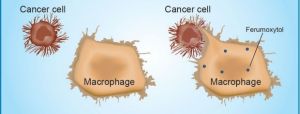
Stanford researchers accidentally discovered that iron nanoparticles invented for anemia treatment have another use: triggering the immune system’s ability to destroy tumor cells.
Study casts doubt on artificial sweeteners' health claims University of Sydney researchers have confirmed widespread bias in industry-funded research into artificial sweeteners, which is potentially misleading millions by overstating their health benefits.
Two Russian tech developers, in Moscow and in Siberia’s Novosibirsk, have independently come up with their own proprietary new solutions to diagnose and treat cancer, Hi-news.ru reported.
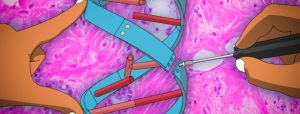
Gene-regulating RNA molecules could help treat early-stage breast cancer tumors before they spread.
Researchers at King’s College London have found a new link between the diversity of bacteria in human poo — known as the human faecal microbiome — and levels of abdominal body fat.
A research team led by Professor Hongsoo Choi developed microrobots with high propulsion efficiency in highly-viscous fluid environments, applying propulsion techniques that mimic the ciliary stroke motion of paramecia.
Currently diagnostics of acute leukemia is based on manual calculations of different types of cells by blood smears and bone marrow aspirations.
Siberians are said to have developed a drug to kill basically all types of pain, the Tomsk State University (TSU) announced. The new pain reliever is believed to have no side effects typical for an array of steroidal and nonsteroidal anti-inflammatory drugs that exist in the market.