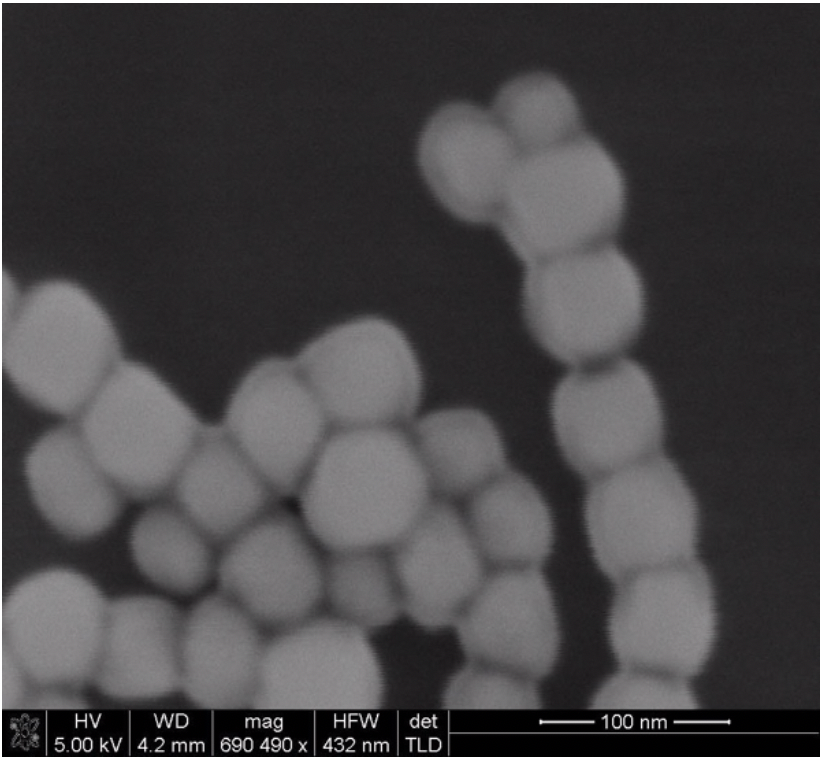
Biology and technology intersect in the field of biodesign. Some fashion houses even use the sustainable technology to develop fabrics for clothing, but Lockheed Martin's Advanced Technology Center sees potential to mature the science to a more precise level. This maturation requires collaboration between ARL and Lockheed Martin and leverages commercial advances from companies such as Ginkgo Bioworks.
Scientists often look to nature to provide inspiration, and those ideas can help lower the cost of optical technologies. For example, telescopes use lenses to filter out unwanted light or to get a clearer image. However, a squid lens is able to filter and focus light in compact package due to molecule-based design and varied refractive index. In another example, melanin protects humans and animals alike from the Sun's UV rays. So melanin—or similar molecules with protective functions—could be another natural substance attracting the study's attention.
"We can't manufacture that kind of capability, so Lockheed Martin will try nature's way," Rhoads said. "Harnessing the power of self-assembling materials is sustainable, affordable and can be much faster to produce than artificial methods. As much potential there is for biodesign, the maturity of the materials technology is still low, so our five-year study will advance this field significantly for precision science."
The $10 million, five-year agreement uses the name Self-Assembly of Nanostructures for Tunable Materials and will leverage the Army's Open Campus model to enable collaboration between university, small-business, Army and Lockheed Martin scientists and engineers. Partnerships across industry and government groups have grown from programs like the National Science Foundation's SynBERC and the Department of Defense's Applied Research for Advancement of Science and Technology Priorities.
news.lockheedmartin.com